Inside Hueandin's Global Hospitality
How do your hotels adapt their service standards to respect local customs?
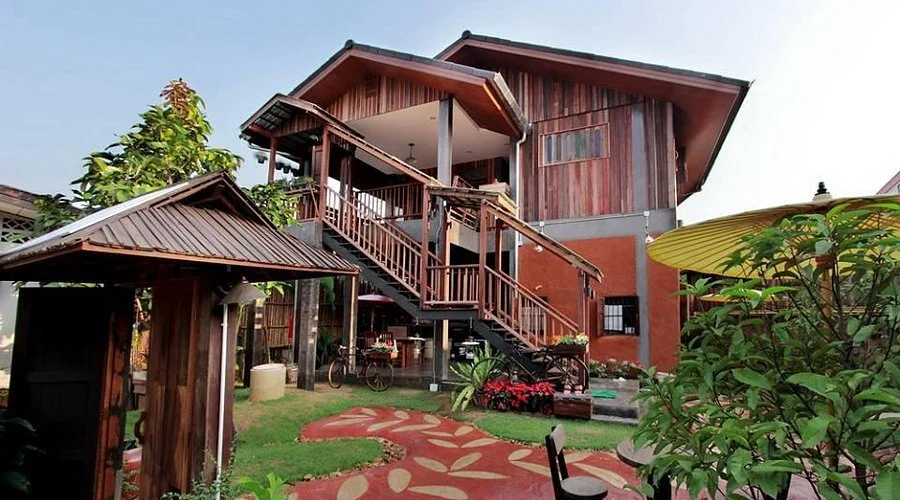
We adapt our services to reflect the local culture as much as possible, because that becomes a real selling point and makes guests want to return. It shows up everywhere, starting with the hotel's structure and room design, the manners of the service staff, and the activities we organize around local festivals.
In what ways is it difficult to maintain international brand consistency across different countries?
With our construction style, for example, we research the culture of the location before we build so we can preserve local traditions. A hotel has to maintain its own unique identity, because that's what earns guest loyalty and brings people back to us.
Can you provide an example of how your hotels give travelers an authentic cultural experience?
We organize events tied to local cultural festivals, so travelers can experience the atmosphere right from the hotel's own activities. That includes decorating the hotel and rooms and offering seasonal food for guests to sample. During the recent Songkran festival, for example, we set up a Buddha statue for tourists to pour water over it, following tradition.
How do you balance indigenous design elements with modern hospitality?
The founders of this hotel are a new generation, so even though the hotel is built in the style of traditional local architecture, we provide modern, international-standard services. That ranges from online booking systems and remote-controlled gates to key cards and automatic solar power systems. We think about guests who want comfort during their stay and who will remember our hotel when they go home.
How do you educate travelers or guests about the local culture?
We train our staff to share information with travelers, recommend local attractions, introduce local food, and explain traditions during the events we host at the hotel, so guests can enjoy themselves and understand the local culture. We also buy local food as souvenirs for travelers and explain its origins and the local culinary culture.
How has your hotel created economic opportunity for local employees, artisans, and guides?
When travelers ask for recommendations, our staff point them to local attractions, restaurants, and souvenir shops. Most of our staff are locals, so they have the knowledge to give appropriate advice based on what tourists are looking for. The money travelers spend also helps distribute income to local people.
What are the most fascinating parts of operating a hotel in a different location, and what mistakes have you learned from?
The most fascinating part is creating a unique identity rooted in the culture. There haven't really been mistakes in the past, only lessons learned and ongoing efforts to create services that impress our guests.
Can you describe any tensions between tourism development and cultural or environmental preservation?
We haven't experienced tensions between tourism development and culture. Thailand provides excellent support for tourism and service businesses. We also communicate with the local community before construction to prevent dust and noise pollution in the surrounding area.